Nothing has changed.
The suffering continues.
And yet—
God says:
👉 “I will.”
Before God changes circumstances,
He reveals His promises.
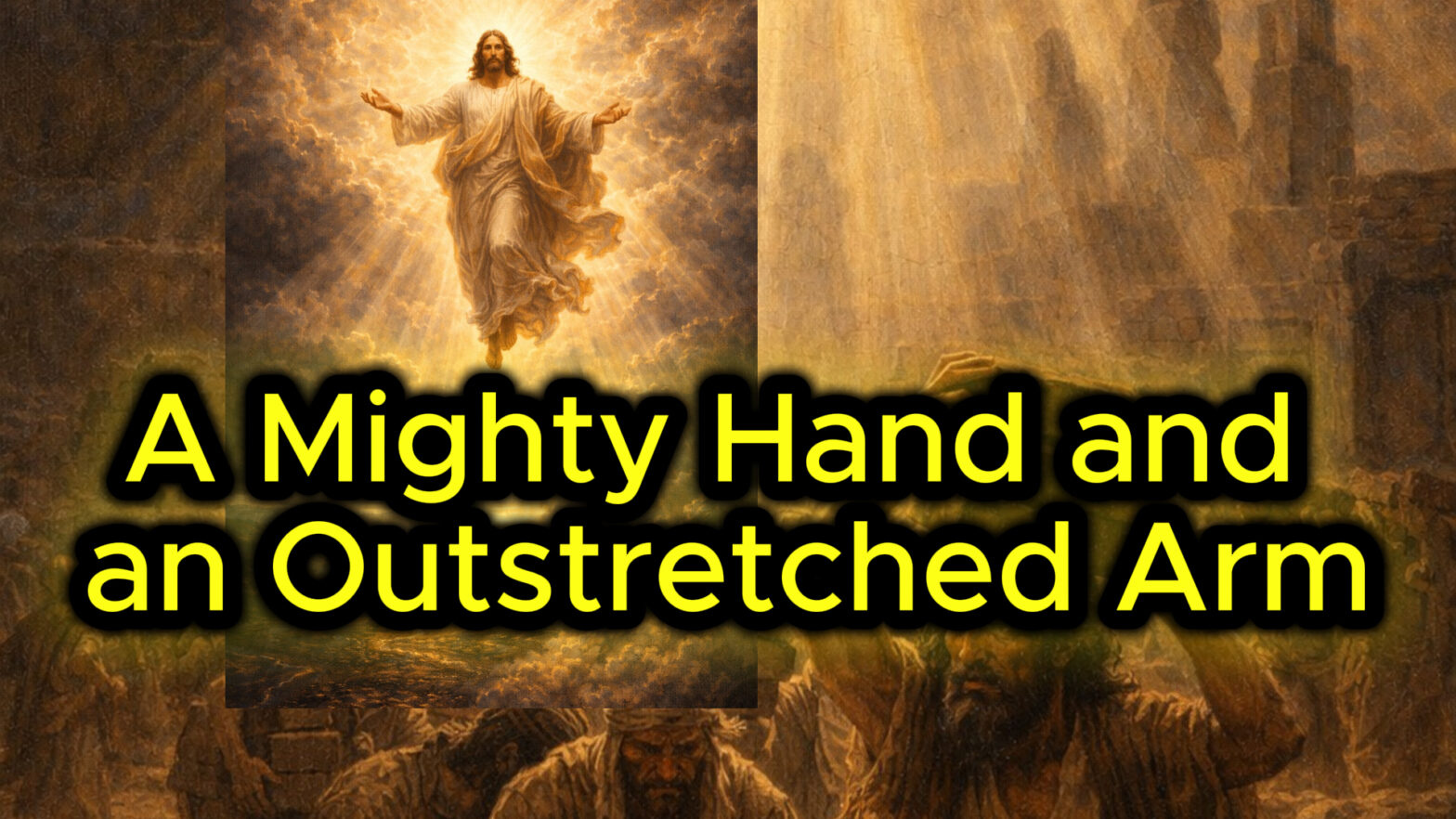
Exodus 6 records God’s response to Moses’ discouragement by reaffirming His covenant with Israel. Despite continued oppression and apparent silence, God declares a series of powerful promises—often called the “seven I will” statements—revealing His plan to deliver, redeem, and establish His people. This chapter shows that God’s salvation does not begin with visible change, but with His unchanging promise and covenant faithfulness.
📖 What Is Exodus 6 About?
Exodus 6 comes at a low point.
- Moses has already obeyed
- Pharaoh has refused
- Israel’s suffering has increased
Nothing is improving.
But God speaks again.
👉 “I am the LORD”
This is not just a name—
👉 it is a declaration of identity
God reminds Moses:
- He appeared to Abraham, Isaac, and Jacob
- He established a covenant
- He heard the people’s suffering
- He has remembered His promise
Then comes the core:
👉 the “I will” statements
- I will bring you out
- I will rescue you
- I will redeem you
- I will take you as My people
- I will be your God
- I will bring you into the land
- I will give it to you
👉 This is not possibility
👉 This is certainty
But something surprising happens.
When Moses tells the people—
👉 they do not listen
Why?
👉 because their spirit is broken
👉 because their suffering is too great
👉 This moment leads directly into Exodus 7,
where God begins to act and confront Egypt.
🧩 Key Structure of Exodus 6
Exodus 6 unfolds in three foundational movements:
1. God Reaffirms His Covenant — Promise (Verses 1–5)
God declares:
👉 “I have remembered My covenant”
This does not mean He forgot.
👉 It means He is now acting on it
God connects the present moment
to promises made generations earlier.
2. God Declares His Plan — “I Will” (Verses 6–8)
This is the center of the chapter.
Seven times—
👉 God says “I will”
This reveals:
👉 salvation is God’s work
👉 not human effort
These promises are so certain
they are spoken as if already completed.
3. Human Weakness Meets Divine Certainty (Verses 9–30)
Two reactions:
- Israel → does not listen
- Moses → feels inadequate
👉 “I am of unskilled speech”
Nothing has changed externally.
But God still sends him.
👉 This shows:
God’s plan does not depend on human strength
👉 This leads directly into Exodus 7,
where promise turns into action and confrontation begins.
🧠 What This Reveals About God
Exodus 6 reveals core truths about God.
1. God Is a Covenant-Keeping God
Everything begins here.
👉 God does not act randomly
He acts based on His promise.
👉 What He said—He will fulfill
2. God Speaks Before He Acts
Nothing has changed yet.
No deliverance.
No miracle.
Only words.
👉 But those words define everything
3. God’s Plan Is Not Stopped by Human Weakness
- Israel is discouraged
- Moses is insecure
But God continues.
👉 His purpose stands
🔥 Why This Chapter Matters Today
We often think:
“Nothing is happening.”
- prayers unanswered
- situations unchanged
- struggles continuing
But Exodus 6 shows:
👉 God may already be speaking
Even when nothing is visible
We also struggle like Israel:
👉 pain blocks hearing
And like Moses:
👉 insecurity blocks obedience
But this chapter reveals:
👉 God’s plan does not depend on how strong you feel
👉 It depends on who He is
👉 This continues in Exodus 7,
where God begins to act and demonstrate His power.
🙏 Meditation
Nothing has changed.
The situation is the same.
The pressure is still there.
And yet—
God says:
👉 “I will”
Not “maybe”
Not “if”
But “I will”
So the question is:
👉 Will you trust what God has said
before you see what God will do?
🔗 Navigation
◀ Previous: Exodus 5 — Moses Confronts Pharaoh
▶ Next: Exodus 7 — The First Plague
📚 Full Series: Exodus Bible Meditation Guide
🎬 Full Genesis–Exodus Playlist