You obeyed God.
But instead of things getting better—
everything got worse.
What does that mean?
Obedience does not always make life easier—
sometimes it exposes the battle before deliverance begins.
Exodus 5 records Moses’ first confrontation with Pharaoh—and the unexpected result: increased suffering for Israel. Instead of freedom, Pharaoh intensifies the oppression, forcing the people to make bricks without straw while maintaining the same workload. This chapter reveals a critical biblical pattern: obedience to God can initially lead to resistance, conflict, and hardship before deliverance comes. It exposes both the hardness of Pharaoh’s heart and the fragile faith of God’s people, while setting the stage for God’s powerful intervention.
📖 What Is Exodus 5 About?
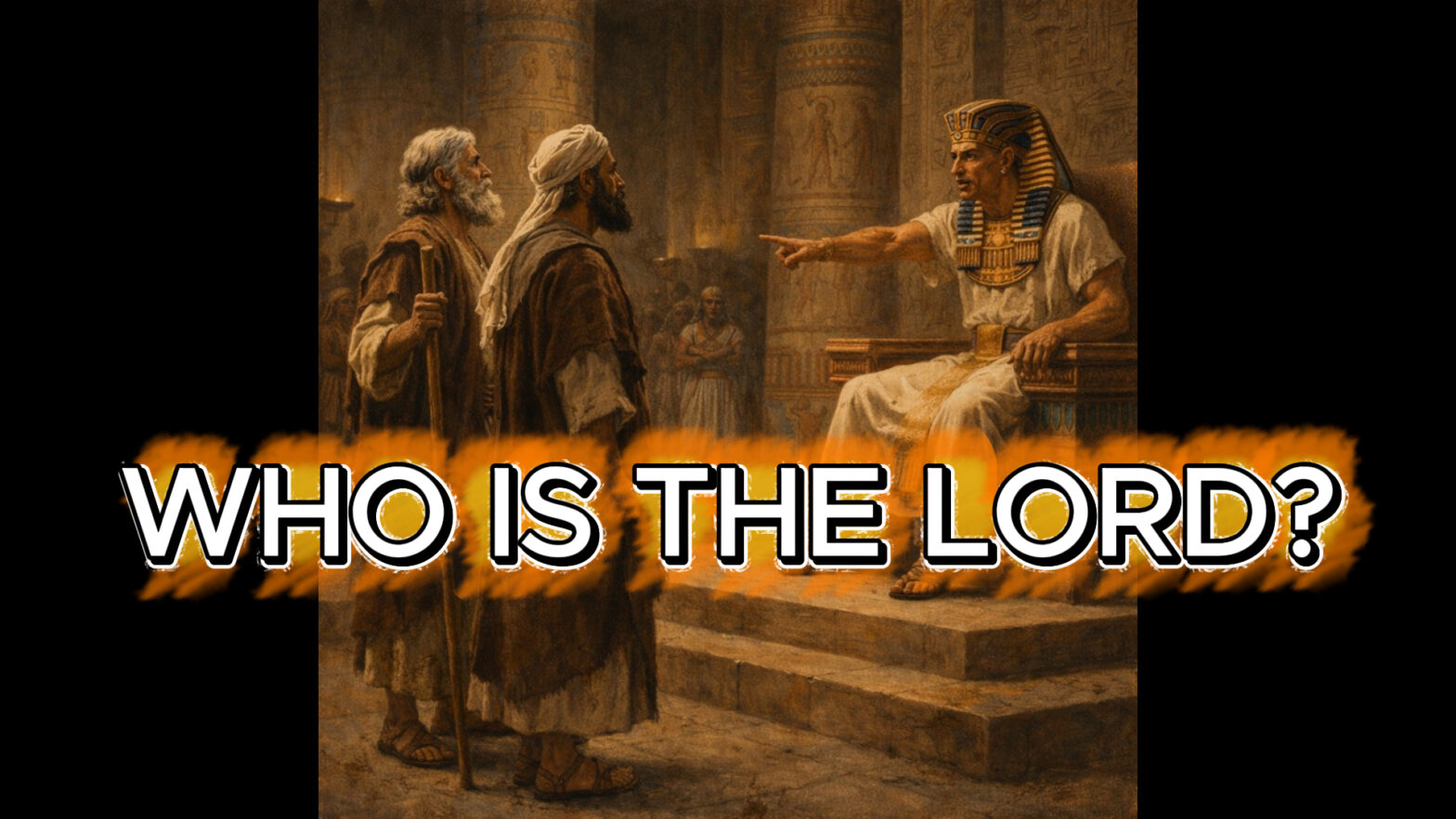
Exodus 5 begins with a direct command:
👉 “Let My people go”
Moses and Aaron obey God and stand before Pharaoh.
But Pharaoh responds:
👉 “Who is the LORD…? I will not let Israel go”
Instead of releasing them—
👉 he makes their lives worse
- no more straw for bricks
- same production quota
- increased pressure and punishment
This creates an impossible situation:
👉 work increases
👉 resources decrease
👉 failure becomes inevitable
Why does Pharaoh do this?
- to suppress resistance
- to break their spirit
- to discredit Moses
And it works.
The people turn against Moses:
👉 “You have made our situation worse”
Even Moses questions God:
👉 “Why did You send me?”
👉 This moment leads directly into Exodus 6,
where God responds—not by changing circumstances first,
but by reaffirming His promise.
🧩 Key Structure of Exodus 5
Exodus 5 unfolds in three critical movements:
1. Obedience Meets Resistance (Verses 1–5)
Moses obeys God.
But Pharaoh rejects Him.
👉 The real conflict is revealed:
- not Moses vs Pharaoh
- but God vs false authority
2. Pressure Increases — Oppression Intensifies (Verses 6–19)
Pharaoh responds strategically:
👉 more work
👉 fewer resources
This creates:
- exhaustion
- confusion
- division among the people
👉 This is not random cruelty
👉 it is controlled oppression
3. Faith Shakes — People and Leader Both Struggle (Verses 20–23)
The people blame Moses.
Moses questions God.
👉 “Nothing has improved”
👉 “Things are worse”
This is the turning point:
👉 obedience → hardship
👉 faith → confusion
👉 This movement continues into Exodus 6,
where God explains what He is doing behind the scenes.
🧠 What This Reveals About God
Exodus 5 reveals deep and often misunderstood truths.
1. God’s Work Can Begin With Opposition
We expect:
👉 obedience → blessing
But here:
👉 obedience → resistance
Why?
👉 because deliverance confronts systems of power
2. God Allows Pressure to Reveal Reality
Pharaoh is exposed.
The people are exposed.
Even Moses is exposed.
👉 hardship reveals what is inside
3. God Does Not Always Explain Immediately
At the end of chapter 5:
👉 nothing is resolved
No miracle.
No relief.
Only questions.
👉 But God is still working
🔥 Why This Chapter Matters Today
This is one of the most important lessons in the Bible.
Because many people think:
👉 “If I follow God, things should get easier”
But Exodus 5 shows:
👉 that is not always true
Sometimes:
- obedience exposes resistance
- truth provokes opposition
- faith leads into tension
And in that moment:
👉 it feels like failure
But it is not.
👉 This continues in Exodus 6,
where God reveals that His plan was never failing—
it was just beginning.
🙏 Meditation
Have you ever obeyed—
and things got worse?
Have you ever trusted—
and faced more pressure?
Have you ever followed God—
and felt like it failed?
That is Exodus 5.
Because sometimes—
God does not start with deliverance.
👉 He starts by exposing the battle
So the question is:
👉 When things get harder—
will you step back…
or stay in obedience?
🔗 Navigation
◀ Previous: Exodus 4 — Moses Sent to Deliver Israel
▶ Next: Exodus 6 — God Remembers His Covenant
📚 Full Series: Exodus Bible Meditation Guide
Full Playlist: