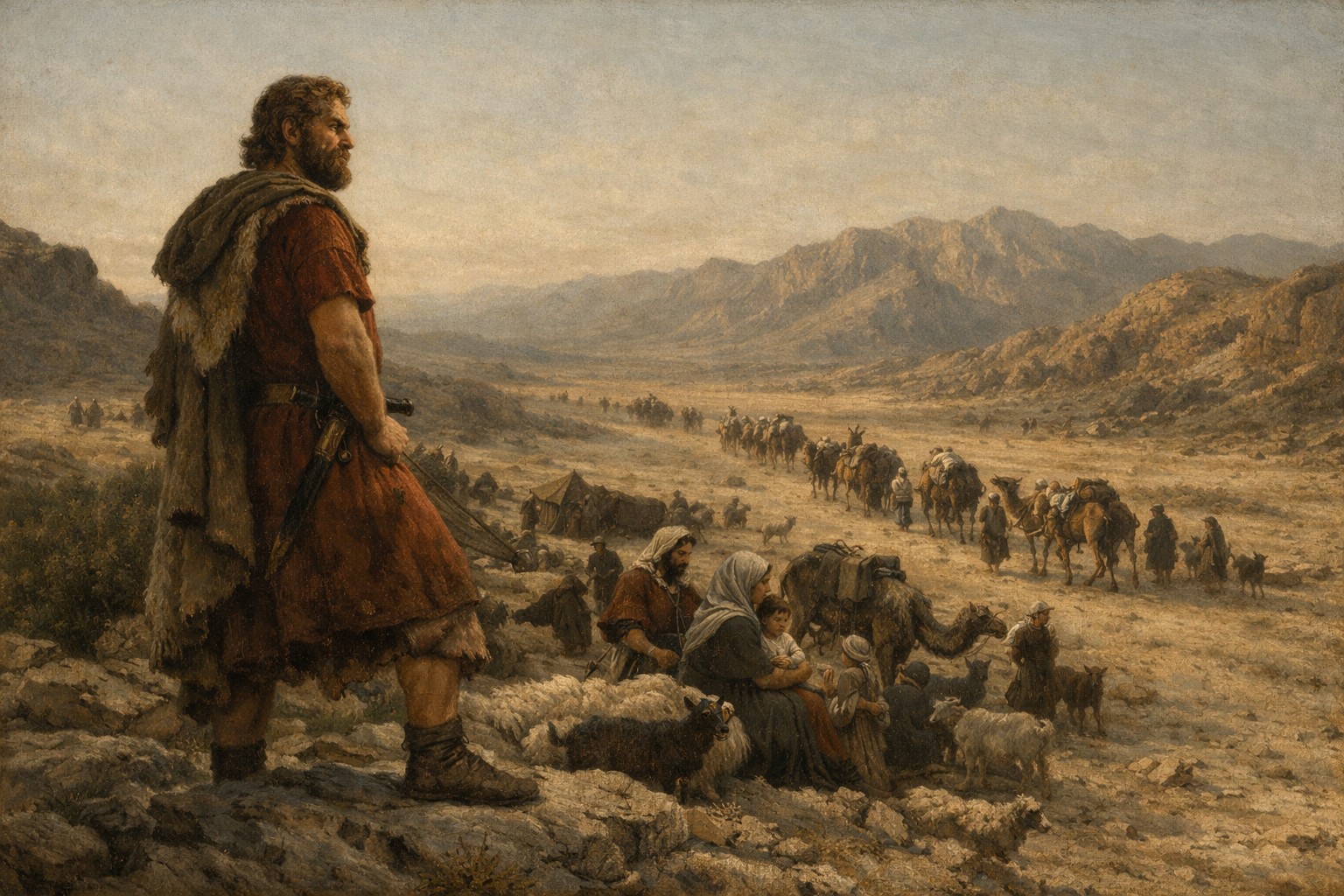
Genesis 36 records the genealogy of Esau and the rise of the Edomite chiefs and kings, showing how God establishes nations outside the covenant while preserving the chosen line through Jacob.
Genesis 36 presents the genealogy of Esau, the father of the Edomites, tracing the emergence of tribal chiefs and early kings in Edom before Israel had a monarchy. Though Esau stands outside the covenant line of promise, the chapter reveals God’s sovereign faithfulness in fulfilling His word to Abraham—that many nations would come from him. By establishing Esau’s descendants as a distinct nation while continuing the covenant through Jacob, Genesis 36 clarifies the separation between the chosen line and surrounding peoples within God’s redemptive history.
A Chapter That Appears to Be Only a Genealogy
Genesis 36 records the generations of Esau — that is, Edom.
At first glance, it seems to be a long list of unfamiliar names.
Yet within the larger movement of Genesis, this chapter is far more than a record of ancestry.
The narrative pauses the unfolding story of Jacob
in order to clarify the line that will not carry the covenant.
This is not incidental history.
It is theological framing.
Kings Established Before Israel
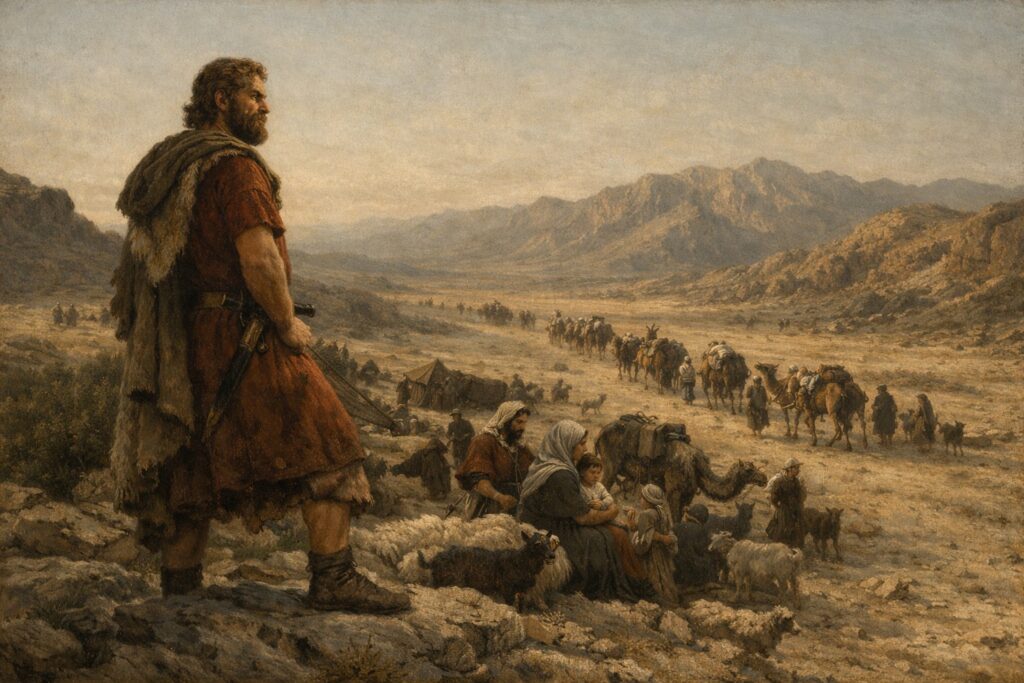
While Jacob’s family is still unsettled and mobile,
Esau’s descendants are already organized.
They form tribes, chiefs, and eventually kings.
Scripture states clearly:
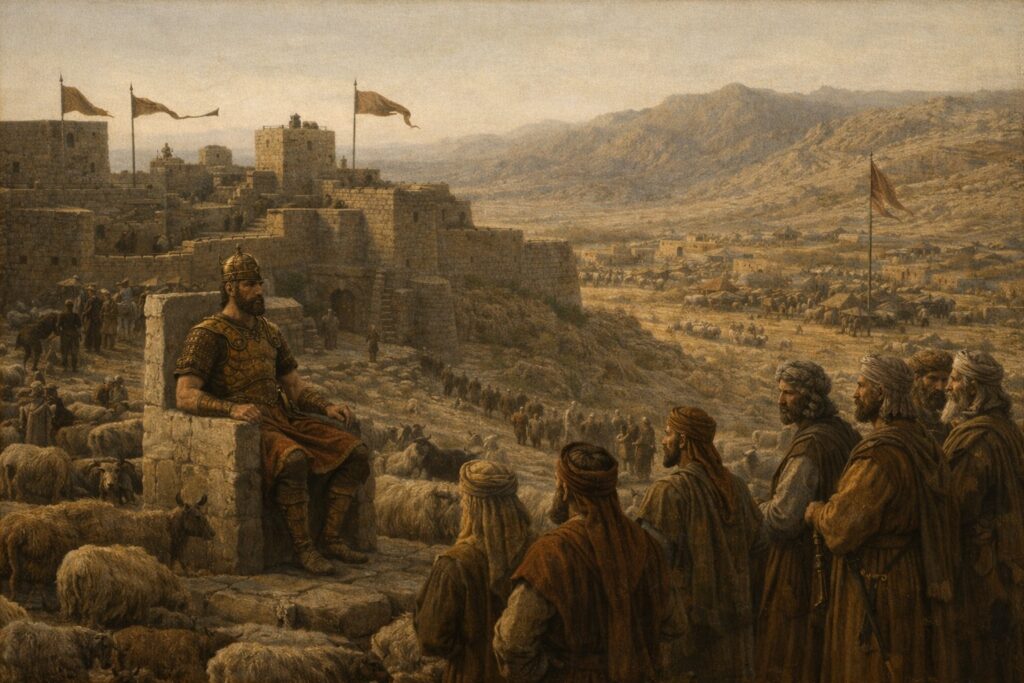
“Before any king reigned over the Israelites, kings reigned in the land of Edom.”
Political structure appears first in Edom.
Stability, succession, visible authority —
all seem to mature outside the covenant line.
From a human perspective,
Edom appears established sooner.
Prosperity Does Not Define the Covenant Center
God allowed Esau to flourish.
He was given territory.
His descendants became strong and structured.
But the covenant promise continued through Jacob.
Genesis 36 quietly distinguishes
between visible success and redemptive purpose.
Prosperity is not the same as election.
Structure is not the same as spiritual inheritance.
What matures quickly in history
is not always what carries the promise.
The Covenant Line Continues Quietly
By carefully recording Esau’s line,
Scripture brings clarity to the line that will continue.
God governs all history,
yet His redemptive purpose moves with precision.
Sometimes it progresses quietly,
without visible power or immediate stability.
Genesis 36 invites reflection.
What do we measure as success?
Do we evaluate by structure and visibility,
or by faithfulness to the covenant?
About This Video
This video is part of a chapter-by-chapter Genesis meditation series.
It combines Scripture reading with theological reflection,
tracing the unfolding covenant story from beginning to end.
Even within genealogies,
the quiet movement of God’s purpose remains.
◀ Previous: Genesis 35 — God Blesses Jacob Again
▶ Next: Genesis 37 — Joseph’s Dreams
👉 Full Genesis Playlist
Genesis Bible Meditation Playlist