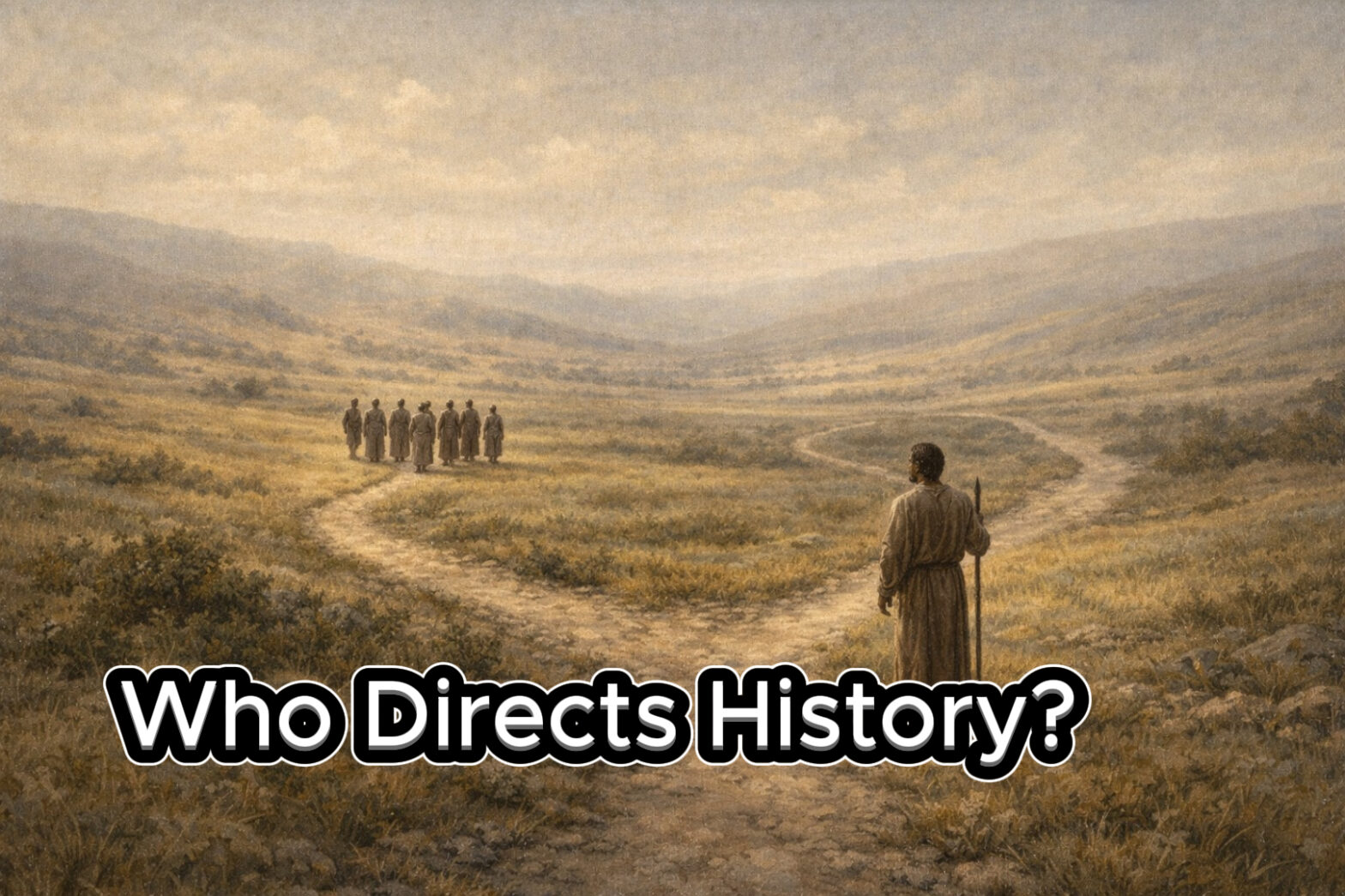
Genesis 10 reveals the Table of Nations, showing how the descendants of Noah spread across the earth and how God sovereignly guided the formation of the nations after the flood.
Genesis 10 records the Table of Nations, describing how the descendants of Noah multiplied and spread across the earth after the flood. At first glance the chapter appears to be only a long genealogy, a list of names that many readers are tempted to skim. Yet Genesis chapter 10 reveals something far more significant. It shows how God fulfilled His command given in Genesis 1:28 and Genesis 9:1 — “Be fruitful and multiply, and fill the earth.” Through real families, generations, and emerging nations, the chapter testifies that God’s purpose for humanity was unfolding within real history.
Eber and the Division of the Earth
In Genesis 10:25, one name stands out—Eber, the sixth-generation ancestor of Abraham.
Scripture records that “in his days the earth was divided,” a statement that hints at a major turning point in human history.
This biblical record is accompanied by a fascinating historical discovery.
In the 1960s, archaeologists excavated the ancient city-state of Ebla near the upper regions of the Euphrates and Tigris rivers.
There, more than 17,000 clay tablets were uncovered, written in Sumerian and Akkadian.
These texts contained accounts of creation, memories of a great flood, and traditions resembling the destruction of Sodom and Gomorrah.
The significance of this discovery is profound.
It quietly testifies that the biblical account of creation and the Flood was not an isolated myth, but part of a shared historical memory of the ancient world.
God is not confined to Scripture alone—He is actively at work within history itself.
Nations, Prosperity, and God’s Word
Genesis 10 then unfolds the genealogies of Noah’s three sons: Japheth, Ham, and Shem.
The descendants of Japheth spread toward Europe and the Mediterranean regions, becoming the roots of many nations.
The descendants of Ham flourished around the Nile basin and the land of Canaan, enjoying fertile lands and visible prosperity.
From a human perspective, Ham’s lineage appeared the most successful.
Yet history tells a different story.
Despite their outward strength, these nations were eventually subdued by the descendants of Shem and Japheth—fulfilling Noah’s earlier declaration regarding Canaan.
This reminds us that history does not ultimately move according to human ambition or visible success, but according to the word and providence of God.
Nimrod and the Path of Defiance
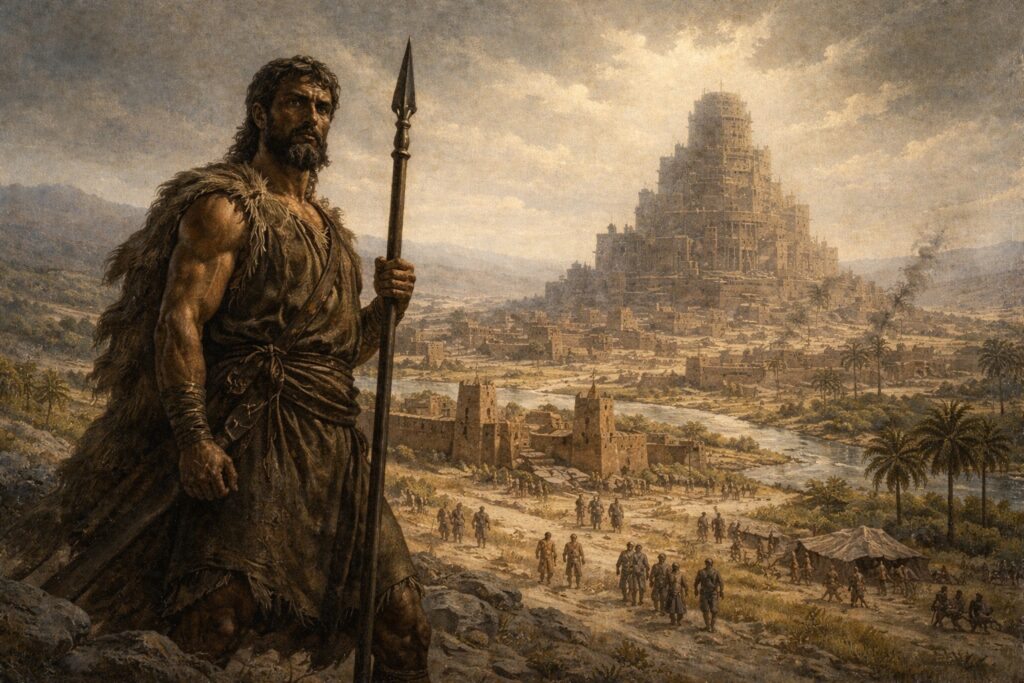
Genesis 10 also introduces Nimrod, described as “a mighty hunter before the LORD.”
While this may sound commendable at first, the phrase carries a darker meaning.
It implies defiance rather than devotion.
In the ancient world, “hunting” symbolized conquest, violence, and domination.
Nimrod built cities and empires, ruling by force and exalting his own name.
Among the cities he founded was Babel, setting the stage for the events of Genesis chapter 11.
Nimrod’s path was not one of trusting God, but of contending against Him—seeking greatness apart from the Creator.
Shem, Separation, and the Line of Redemption
The chapter concludes with the genealogy of Shem, deliberately placed last to emphasize its importance.
Though Shem was Noah’s firstborn, his lineage would become the center of redemptive history.
From this line would come Eber, Abraham, and ultimately the fulfillment of God’s covenant.
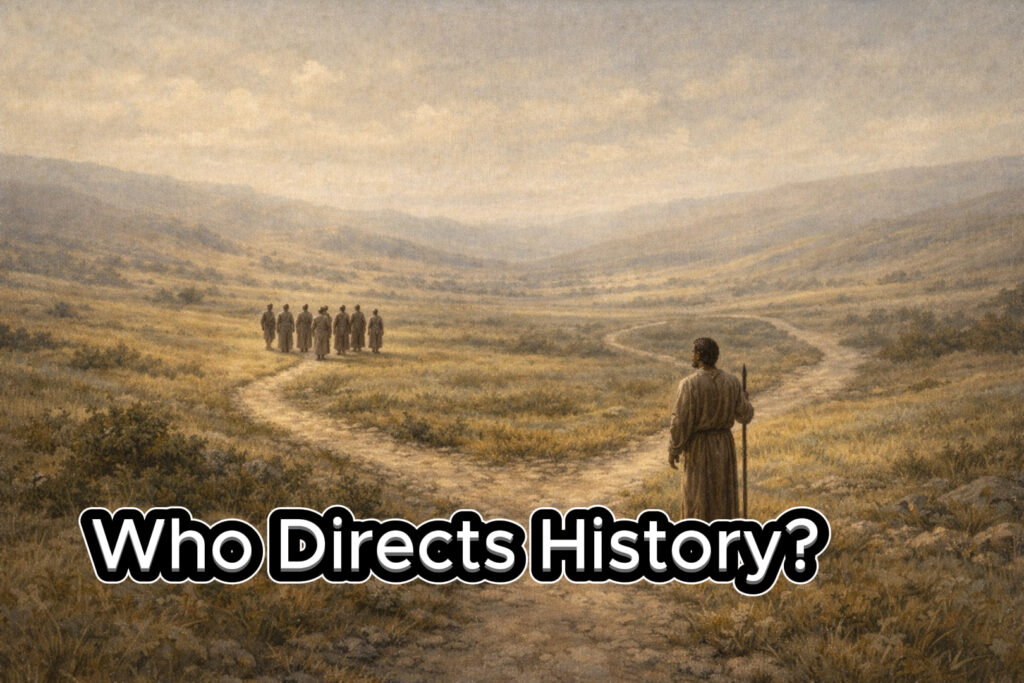
Eber stands in contrast to the world of Nimrod and Babel.
His lineage represents separation, a necessary distinction in a world still corrupted by original sin.
Salvation history, Scripture shows us, advances not through power, but through a people set apart for God.
A Question for Today
God governs genealogies, nations, and the rise and fall of history itself.
What matters most is not momentary success, but which lineage we stand in.
Are we following the path of Nimrod—seeking a name through power and achievement?
Or are we walking the path of Shem—quietly honoring God and carrying forward His covenant?
Even today, God continues to guide history with patience and purpose.
May our lives, our families, and our faith become part of the lineage that carries forward the story of life through the gospel, in the Lord.
◀ Previous: Genesis 9 — Covenant with Noah
▶ Next: Genesis 11 — Tower of Babel
👉 Full Genesis Playlist
Genesis Bible Meditation Playlist